Old governments go, new ones come; right-wing politicians draw one media stunt after another; Donald Trump, Elon Musk, and JD Vance take it upon themselves to reintroduce unveiled predatory capitalism (not like the US didn’t show that sort of behaviour before), destroying democracy and turning the United States more than ever into a blatant oligarchy; the Ukrainian president Volodymyr Zelenskyi was made to look silly by former allies and fried alive by supposedly allied media; and the climate crisis is taking its toll worldwide as we have now officially breached the 1.5 C° global warming threshold in comparison to the pre-industrial average. Hej – who believed in the Paris Climate Agreement anyway these days, if you can order shiny Cybertrucks from Musk’s Tesla factories?
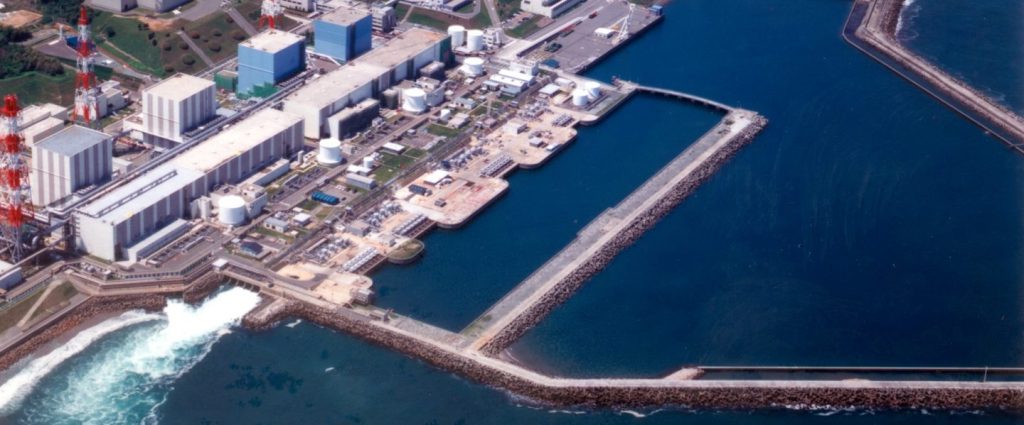
But even though we are rightfully focussed on these things – which will inevitably profoundly change the world we live in – as an historian I need to contribute to keeping the memory of one of the largest nuclear disasters in the so-called civil nuclear industry alive: the disaster of Fukushima-Daiichi Nuclear Power Plant on 11 March 2011, following the huge Tōhoku earthquake and the following Tsunami.
3/11 is still an ongoing catastrophe, as the molten reactor cores are still not salvaged and the necessary cooling of the toxic material continuously generates scores of irradiated water, which in turn gets diluted and released into the Pacific Ocean. This now established practice by the Tokyo Electric Power Company caused criticism in the international community. China and South Korea, for example, have heavily protested against it. The fear of contaminated fishstocks and other marine animals and plants provoke scepticism in consumers and producers.
Furthermore, the decontamination efforts in the areas surrounding the failed nuclear power plant are stagnating. Once again, the argument pivots around the question whether constant levels of low-level radiation are harmful or not. While there is no absolute conclusive scientific evidence on this question, I personally find it likely that it does. Here, I would like to point out to the excellent book by colleague José Tapia, titled “The Chernobyl Disaster and the Mortality Crisis in Eastern Europe and the Former USSR” (De Gruyter 2022). Tapia managed here, to show how low-level radiation has actually caused tremendous harm in the aftermath of Chernobyl Nuclear Power Plant Disaster in 1986. In any case, and switching back to Fukushima, the question remains on what to do with contaminated earth, villages, trees, fields, and forests. As everywhere in the world, Japan also does not have a viable long-term solution to the radioactive waste caused by Fukushima-Daiichi.
The decommissioning process is extremely difficult and continues only at a haggard pace. So far, there is no realistic date in sight, and the consequences of this failure will continue to influence the regional and global flora, fauna, and human lives. Among loud voices from newly elected right-wing politicians that ostensibly nuclear power could be a motor for renewed economic growth, it is important to remember what kind of havoc this technology can cause. 14 years after the catastrophe, we are still trying to understand its consequences. In the meantime, Japan announced to put again more emphasis on its nuclear reactor fleet for the time to come.
Further Reading:
Discover more from Achim Klüppelberg
Subscribe to get the latest posts sent to your email.
 Achim Klüppelberg